
🚗 60 Years of Car Magazines: A Full-Throttle History from 1960 to Today
Share
For over six decades, car magazines have driven automotive culture forward — from dusty rally stages to chrome-polished showrooms. They’ve tested, critiqued, inspired, and sometimes even offended, but one thing's certain: they’ve always mattered.
Let’s take a proper drive through the decades, from the dawn of serious motoring journalism in the 1960s, right through to the collector revival and online resurgence of the 2020s. Buckle up.
🔩 1960s: The Dawn of the Driver's Magazine
Key Themes:
-
Rise of consumer car ownership
-
In-depth road tests
-
First proper car journalism emerges
The 1960s was when car magazines began transitioning from basic trade rags into consumer-focused, enthusiast-driven publications. This was the golden era of British motoring, with names like the Mini, E-Type, and Cortina dominating roads — and covers.
Notable Titles:
-
Autocar (est. 1895) – Already long-established by the 1960s, it had grown into a well-respected weekly with industry contacts and road tests that manufacturers feared.
-
Motor – Known for rigorous and often brutal honesty in its reviews. Favoured by engineers and serious readers.
-
CAR Magazine (launched as Small Car and Mini Owner in 1962, renamed CAR in 1965) – Changed the game with bold photography and editorial freedom. It pioneered the modern "car mag" layout.
The Culture:
Britain was exporting cars across the world and still had a proud, powerful industry. Car magazines were part consumer watchdog, part performance oracle. Every motoring family had one lying on the coffee table.
🏁 1970s: From Oil Crises to Group Tests
Key Themes:
-
Oil crisis impacts car journalism
-
More focus on economy, practicality
-
Birth of group road tests
-
Rise of motorsport coverage
The ‘70s were gritty and real. The fantasy of the E-Type gave way to the reality of fuel shortages and rusting body panels. Magazines adapted with more practical reviews — but performance cars still ruled the headlines.
Notable Titles:
-
CAR Magazine – Hired legendary writers like LJK Setright and George Bishop. It mixed poetic prose with sharp critique.
-
Hot Car – A more performance-focused rival, favouring road warriors over executive saloons.
-
Autocar and Motor – Still respected, and increasingly obsessed with 0-60 times and braking distances.
🏎️ 1980s: Turbocharging the Page
Key Themes:
-
Group B rally obsession
-
Bold design, colour photography
-
Japanese innovation enters the chat
-
Turbo everything
The ‘80s were about power and speed. Turbo badges, whale-tail spoilers, and European exotica filled the pages of newsstands. Magazines began catering to lifestyle as much as performance.
Notable Titles:
-
Performance Car (1983–1998) – Focused on real-world fast cars, not just exotica. Revered for combining enthusiast-level writing with proper testing.
-
Fast Lane – A slick magazine with lifestyle leanings and aspirational content.
-
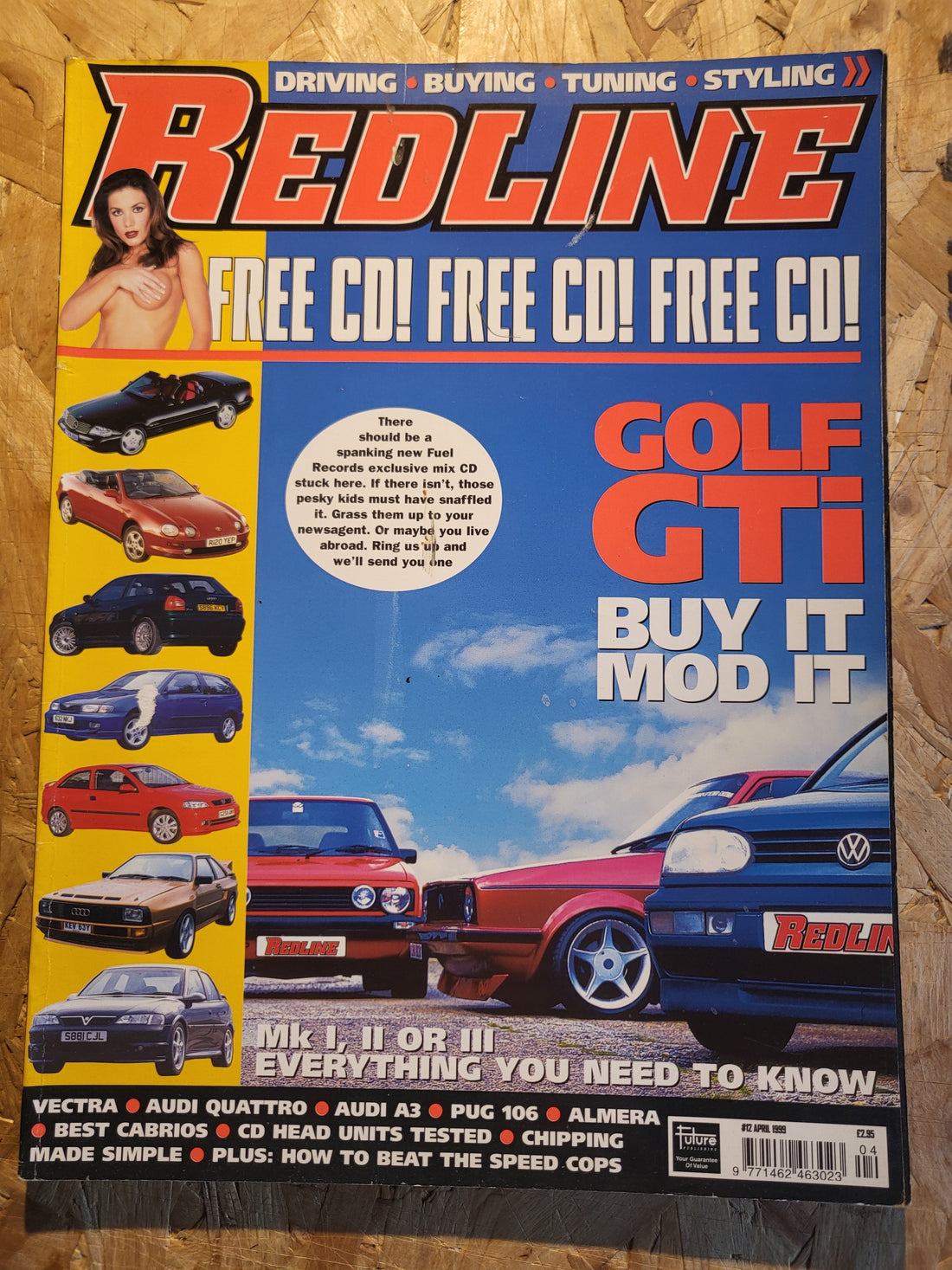
Redline (launched 1987) – Geared toward younger readers, mixing tuning, performance and accessible speed. A precursor to the Max Power generation.
🎮 1990s: The Modified Era, Max Power Culture
Key Themes:
-
Explosion of car modding and JDM imports
-
Young driver lifestyle content
-
Print gets louder, brasher
-
Bikinis, bodykits, bass
This decade changed everything. The emergence of cruise culture, PlayStation driving games, and affordable Japanese imports gave birth to a new wave of car enthusiasts.
Notable Titles:
-
Max Power (1993–2011) – The most iconic UK car mag of the decade. Wild cars, wilder writing, and unapologetically lad culture.
-
Fast Car – Long-time rival, slightly more balanced and still running today.
-
Revs – Known for being a bit more underground and tuning-focused.
-
Redline – Peaked in the '90s. Covered affordable tuning, project builds, and turbo tech in accessible language.
Other Strong Performers:
-
Top Gear Magazine (launched 1993) – Used the power of the BBC to introduce the public to a blend of fun and serious motoring journalism.
🚘 2000s: Glossy Dreams & Supercar Obsession
Key Themes:
-
High production values
-
Supercars dominate content
-
Emergence of "driving experience" journalism
-
Photography becomes art
This was the golden age of slick design and editorial storytelling. Big-budget publishers invested heavily in making mags that looked — and felt — premium.
Notable Titles:
-
EVO (1998–present) – Revered by drivers. Focused on the emotional connection between man and machine.
-
Top Gear – Became a household name, selling hundreds of thousands of copies monthly.
-
Octane (launched 2003) – For classic car connoisseurs. Beautifully laid out, dripping in vintage class.
-
Auto Express – A more consumer-oriented weekly, perfect for company car drivers and value-conscious readers.
Redline and Fast Car continued to run strong through the 2000s, gradually adjusting their tone to keep up with evolving tastes.
📱 2010s: Digital Disruption & the Fall of Print
Key Themes:
-
Rise of YouTube & Instagram
-
Decline in circulation
-
Niche mags survive, mass titles fade
-
Print becomes collectable
With free video content and influencer reviews dominating the scene, magazines had to pivot. Some didn’t survive. But others — especially those focused on heritage, quality, or niche markets — endured.
Notable Titles:
-
Classic & Sports Car – Appealed to boomers and collectors.
-
EVO – Survived by staying niche and premium.
-
Autocar – Transitioned heavily to web content, still publishing weekly.
-
The Road Rat (launched 2019) – A beautiful, slow journalism magazine for true car lovers.
🛞 2020s: Retro Revival, Print as a Collectable
Key Themes:
-
Nostalgia fuels back-issue markets
-
Rise of indie motoring publications
-
Magazines become lifestyle/art objects
-
Collectors drive prices up
Today, a Max Power or Redline magazine from the 1990s might sell for £10–£30 depending on condition. Petrolheads are rediscovering the joy of physical media.
Notable Trends:
-
Old issues of CAR, Max Power, Fast Car, Redline are actively bought and sold.
-
The Road Rat, Retromotive, and similar indie titles focus on high-end design and timeless writing.
-
Your own site (e.g., LadMags.co.uk) is part of a new collector-driven marketplace offering these classics to a new generation.
📚 Final Thoughts: More Than Nostalgia
Car magazines weren’t just a way to kill time on the loo — they were cultural artefacts. They helped shape automotive trends, influenced buying decisions, and gave readers a personal connection to the cars they loved.
Whether you were a Max Power nutter, a CAR Magazine purist, or a Top Gear binger, those monthly drops mattered. And they still do. Because the joy of opening a fresh issue — or flipping through an old one — can’t be downloaded.